
Buying a home in Central Arkansas is exciting, but once you go under contract, one step can make or break the deal: the home inspection.
At Carr & Co. Real Estate Group, we’ve seen inspections affect everything—from negotiations and repair credits to closing timelines and, in some cases, whether a buyer should move forward at all. The goal of an inspection isn’t to find a “perfect” house (those don’t exist). The goal is to understand what you’re buying and avoid surprises that could cost you big money later.
Below are the most common major home inspection issues we see in Central Arkansas, what they mean, and how to handle them smartly.
Why Home Inspections Matter in Central Arkansas
Most homes will show some wear and tear on an inspection report. That’s normal. What you want to pay attention to are major issues—the kind that impact safety, structure, or your wallet.
Once you’re under contract, the inspection period allows buyers to:
- Learn the true condition of the home
- Request repairs or credits
- Renegotiate if needed
- Or, in some cases, walk away
This step protects you as a buyer and helps ensure you’re making a sound investment.
1. Structural Issues
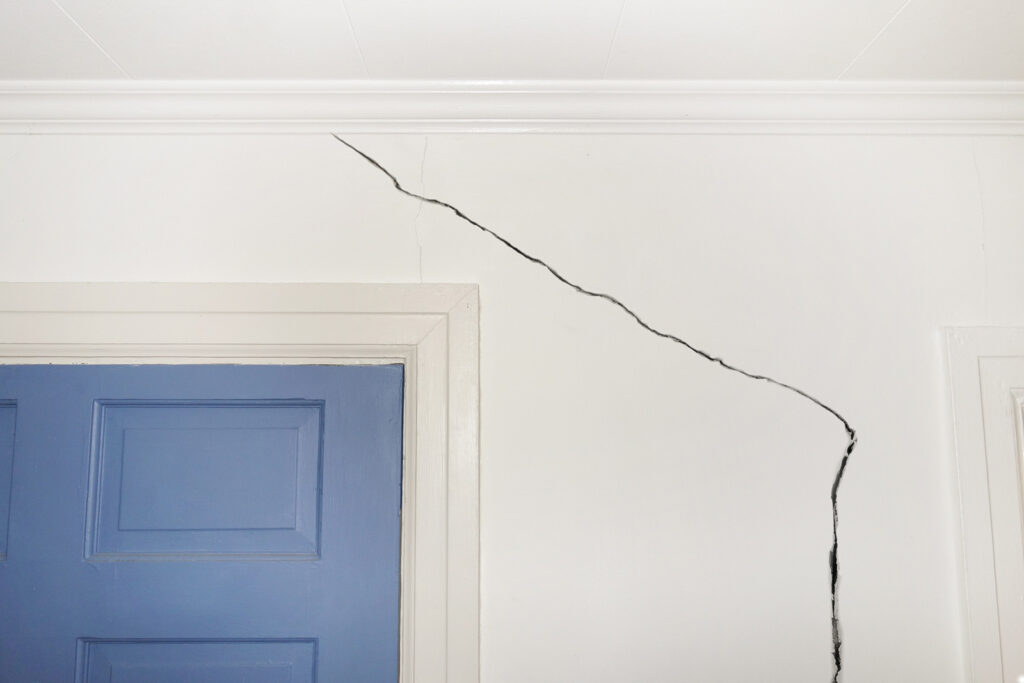
Structural problems are some of the most serious—and expensive—inspection findings. In Central Arkansas, these issues often show up in crawlspaces, foundations, or attics due to soil movement, drainage problems, or poor construction.
Structural components include the foundation, framing, roof structure, and load-bearing walls. Improperly cut joists, sagging beams, or foundation movement should always be evaluated by a licensed structural engineer.
What to look for:
- Horizontal cracks in foundation walls
- Uneven or sloping floors
- Doors or windows that stick
- Gaps between walls and ceilings
- Separation around exterior doors
Foundation repairs can be costly, so these findings should always be taken seriously and negotiated carefully.
2. Roof Issues
Roof problems are very common on inspection reports, especially on homes with deferred maintenance. Issues may include aging shingles, improper flashing, exposed nails, or ventilation problems.
In Central Arkansas, roof condition is especially important due to storms, heat, and humidity. A failing roof can also lead to water damage in the attic and framing.
What to look for:
- Missing or damaged shingles
- Sagging rooflines
- Signs of past leaks in the attic
- Improper flashing around chimneys or vents
- Poor attic ventilation
Minor issues can often be handled after closing, but major concerns should be quoted by a roofer and negotiated before moving forward.
3. Plumbing Issues
Plumbing problems range from small leaks to full system replacements. Long-term leaks can lead to flooring damage, subfloor rot, and mold—issues you don’t want to inherit.
Older homes may also have outdated piping materials that require further evaluation. Inspectors can identify visible issues, but plumbers are often needed for deeper inspections, especially under the house.
Homes with septic systems or wells should always have those systems inspected separately.
What to look for:
- Corroded or leaking pipes
- Low water pressure
- Slow drains
- Water heater age (typically 8–12 years)
- Signs of previous water damage

4. Electrical Issues
Electrical problems can be dangerous and should never be ignored. Older homes around Central Arkansas may have outdated panels, insufficient capacity, or wiring that no longer meets current standards.
GFCI outlets are required in wet areas like kitchens and bathrooms. Missing safety features are common inspection findings and usually negotiable.
What to look for:
- Outdated electrical panels
- Double-tapped breakers
- Ungrounded outlets
- Exposed wiring
- Flickering lights or loose outlets
If electrical concerns show up, a licensed electrician should always evaluate them.
5. HVAC (Heating & Cooling Systems)
Heating and cooling systems are big-ticket items. Most HVAC units last 15–25 years depending on maintenance and usage.
In Central Arkansas, efficiency matters—both for comfort and utility costs. Poor ductwork, aging systems, or inconsistent airflow should be addressed before closing.
What to look for:
- Age of the system
- Uneven heating or cooling
- Unusual noises or odors
- Poor maintenance history
- Deteriorated ductwork
Replacing an HVAC system can be costly, which is why this is often a negotiation point.
6. Water Damage
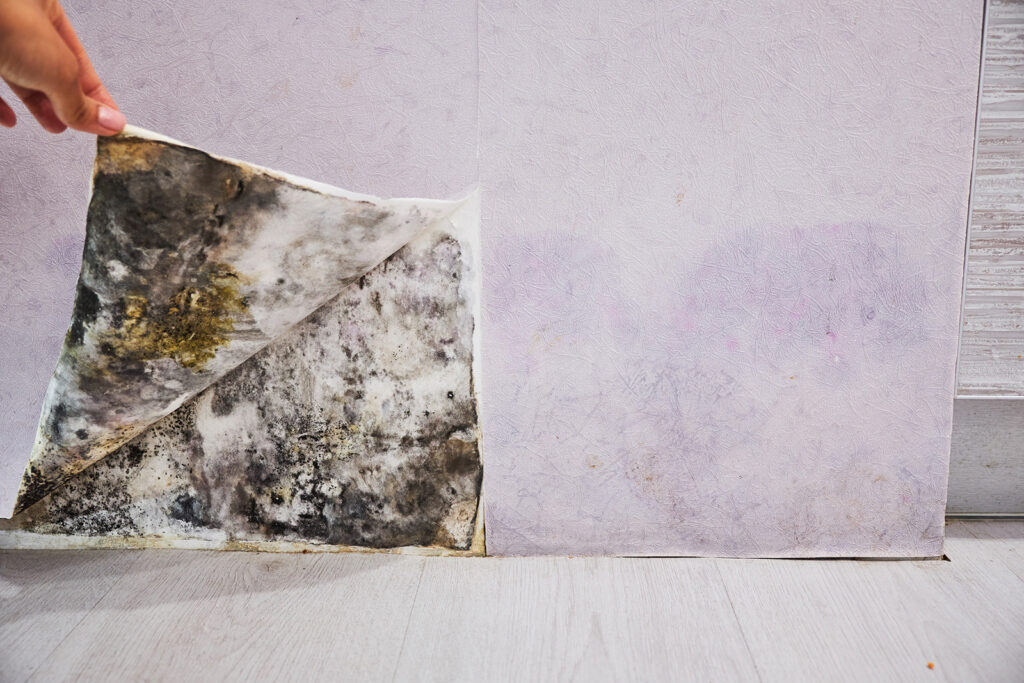
Water damage is one of the most expensive issues a home inspection can uncover. It can stem from roof leaks, plumbing failures, or poor drainage around the foundation.
Unchecked moisture can lead to mold, structural damage, and even termite infestations.
What to look for:
- Water stains on ceilings or walls
- Musty odors
- Warped flooring
- Mold growth
- Standing water in crawlspaces
Water issues should always be investigated further by professionals.
7. Termites
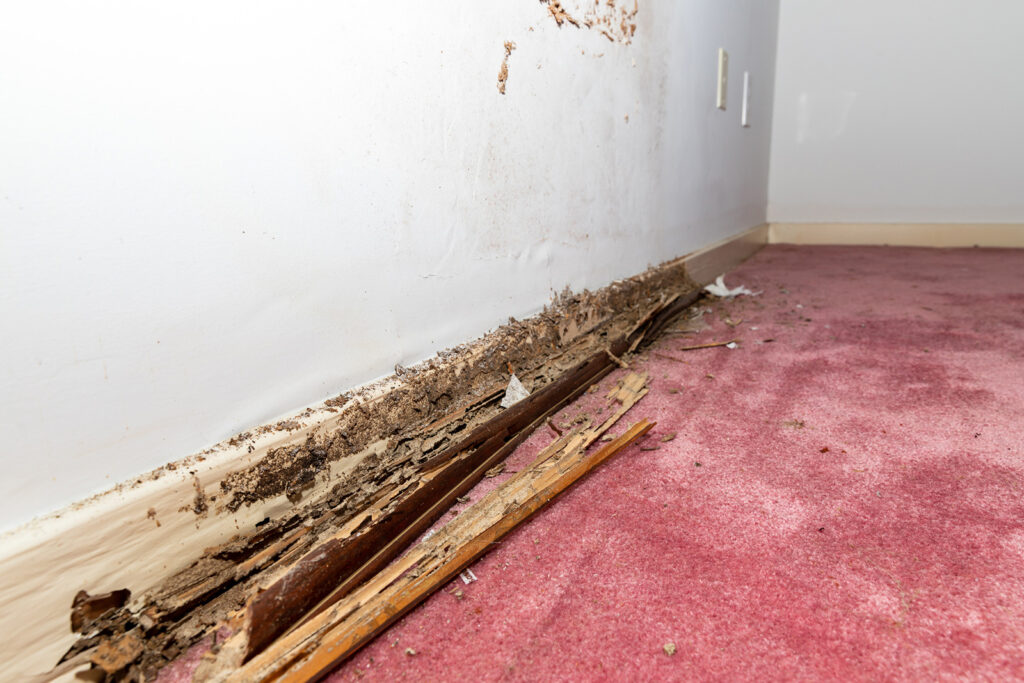
Termites are a real concern in Arkansas due to moisture and climate. A termite inspection is essential, especially for homes with crawlspaces or wood-to-ground contact.
If termites are present or past damage is found, treatment and repairs may be necessary before closing.
What to look for:
- Mud tubes on foundation walls
- Hollow-sounding wood
- Discarded wings near doors or windows
- Evidence of prior treatment
Most homes benefit from an ongoing termite bond for long-term protection.
Loan Requirements & Inspections
Some loan types—like FHA and VA loans—have stricter inspection and appraisal standards. These focus on safety, structural integrity, moisture issues, and habitability.
If a lender requires repairs, they must be completed before closing.
Home Inspection Costs in Central Arkansas
A standard home inspection typically takes 2–3 hours and averages a few hundred dollars, depending on the size and age of the home.
Additional inspections may include:
- Termite inspections
- Radon testing
- Septic inspections
- Well testing
These added inspections can help you avoid major future expenses.
Final Thoughts on Home Inspections
No home is perfect. The key is knowing which issues matter and which ones are normal maintenance.
Your inspector will identify concerns. Your real estate agent’s job is to help you understand:
- What’s serious
- What’s negotiable
- And what makes sense long-term
At Carr & Co. Real Estate Group, we walk our buyers through inspections with clarity and strategy—so you can move forward confidently and protect your investment.
If you’re buying a home anywhere in Central Arkansas, our team is here to guide you every step of the way.
Sip. Sell. Celebrate. 
